
What can it do for you?

Achieve safety standards and compliance

Increase operational efficiency

What it involves
Eliminating wet or dirty steam can cut your energy costs, improve productivity and product quality, as well as reduce maintenance workload.
The scope ensures your steam system is EN285, HTM 2010, CFPP and food safety compliant using a HACCP approach.
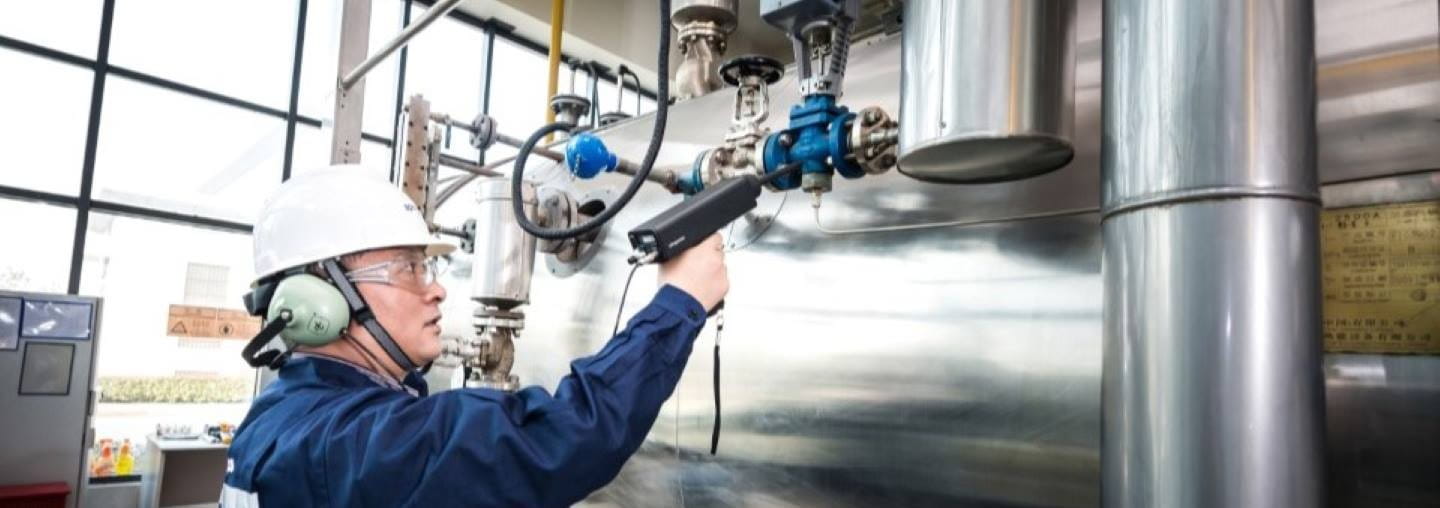
Measuring dryness value and dryness fraction to assess steam wetness and its suitability for your steam plant.
Measuring the level of incondensable gases in your steam.
Monitoring of steam pressure and temperature to find potential problems with peak loads or other steam supply shortfalls.
Inspecting the physical steam system and its operation from boiler water treatment to condensate return.
Issuing a steam quality certificate and a full report with recommendations for maintaining or improving steam quality to raise operating efficiency of the entire steam system.
Related to Steam Quality Testing
Document downloads
Waterford regional hospital improves steam quality
Clean steam generators boosts steam quality standards at Waterford regional hospital.
Gedeon Richter Plc improves steam quality
Applied engineering improves steam quality and process efficiency at a Hungarian pharmaceutical plant.
Steam Trap Surveys and Management
Surveys cover a wide range of equipment including steam traps, high limit control equipment and condensate pumps. Each survey first measures your system's current efficiency and identifies areas of improvement and the potential savings to be gained.
Steam Quality in Food and Beverage
Are you using the correct grade of steam in your process? Using an inappropriate grade of steam for your process(es) can be a source of contamination.
Sterilisation in Healthcare
Could your hospital's sterilisation be more reliable and consistent every time? Find out how your sterilisation department could benefit